
 Interviews
Structured credit strategies on the rise
-

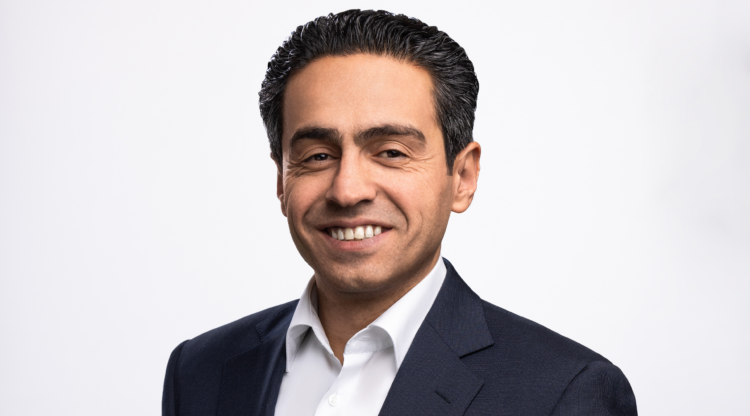
Serge Nussbaumer
Kapitalmarktexperte
Mr. Haupt: Who is Valeur?
Valeur is a specialized investment boutique with a focus on fixed income and credit. We manage around EUR 3.5 billion across funds, SPVs and multi-asset strategies – from investment grade and hybrid credit to CLOs and private markets. Our strength lies in the combination of credit expertise and structuring. We create clear added value for institutional investors via UCITS, RAIFs or dedicated vehicles.
What are the differences between CLOs and subprime CDOs?
CLOs and subprime CDOs share certain structural elements, but are fundamentally different. CLOs are based on collateralized corporate loans, not on weak mortgages. Managers actively manage and hold risk shares, which aligns their interests with those of investors. In addition, stricter rules were introduced after 2008. Historically, senior tranches have not defaulted even during crises and are considered a robust asset class.
What role do CLOs play in institutional portfolios?
CLOs are now an established element of institutional portfolios. Insurance companies, banks, pension funds and family offices are increasingly investing in this asset class. The variable coupon, which adjusts directly to higher interest rates, is particularly attractive. CLOs do not replace bonds, but complement them as a valuable diversification component. In a yield comparison, they are usually higher than bonds with the same rating.
How do you assess the return opportunities of individual CLO tranches in today’s market environment of rising interest rates?
CLOs offer a broad risk/return spectrum. AAA tranches currently pay around Euribor +1.3% p.a. and are strongly protected. Mezzanine tranches offer significantly more, from +2.1% to +8%. Equity is more volatile, but enables double-digit IRRs. This allows investors to tailor their exposure to their risk appetite. This flexibility is a key strength of the asset class.
Where do you see the greatest risks for CLO investors?
The main risk lies in credit defaults, which primarily affect mezzanine and equity tranches. AAA is strongly protected, but is subject to fluctuations in market value. In times of stress, liquidity can also fall, which puts temporary pressure on prices. Economic downturns have a direct impact on defaults. Regulation plays a role, but is less decisive. The quality of the CLO manager remains decisive.
In your opinion, what criteria are decisive in the selection of a CLO manager?
For CLOs, the choice of manager is particularly crucial in the lower parts of the capital structure. For equity and mezzanine tranches, cyclical experience, active trading and limiting defaults have a direct impact on returns. At AAA level, structural protection mechanisms dominate, but documentation can also influence the term. Important criteria are experience, track record, team stability, transparency and co-investments.
Thank you very much.
__
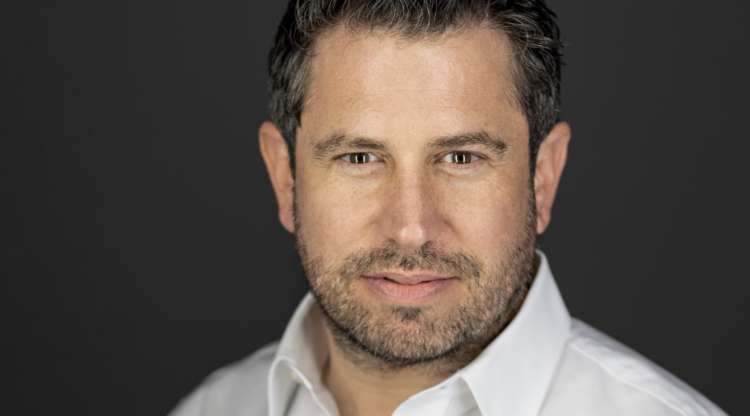
Michael Haupt
Senior Institutional Sales at Valeur Securities
Michael Haupt is Senior Institutional Sales in Asset Management in Zurich with a focus on fixed income and credit. After holding positions at Vontobel and Partners Group, he has been responsible for expanding the business with Actively Managed Certificates and funds at Valeur Securities since 2025. His focus is on credit strategies such as CLOs, hybrid credit and private markets as well as the development of customized multi-asset solutions for institutional clients in Switzerland. With over 15 years of experience, he combines sales expertise, structuring know-how and a strong network in the EAM and family office segment.